
Overview of BLS Manual Ebook
The BLS Manual Ebook offers concise, evidence‑based guidance for healthcare providers, covering adult, pediatric, and infant CPR, AED use, airway management, and rescue breathing, with free PDF downloads and online resources. for quick reference. now
1.1 Purpose and Target Audience

Designed for frontline clinicians, emergency responders, and allied health professionals, the BLS Manual Ebook distills the American Heart Association’s 2024 Basic Life Support curriculum into a portable, searchable format. Its purpose is to provide a rapid reference that reinforces core skills—chest compressions, rescue breaths, AED application, and airway adjuncts—while ensuring compliance with current evidence‑based guidelines. By offering concise step‑by‑step instructions, illustrated flowcharts, and quick‑look tables, the ebook supports both initial training and ongoing competency maintenance. Target users include nurses, physicians, paramedics, first‑aid instructors, and students preparing for certification. The resource is also valuable for institutions seeking a standardized, up‑to‑date reference for staff education and audit purposes. Its lightweight PDF and web‑based versions enable offline access during field deployments or in low‑bandwidth settings, ensuring that lifesaving protocols remain readily available wherever care is delivered. The manual’s modular design allows educators to isolate specific sections—adult BLS, pediatric BLS, or AED use—facilitating focused study sessions and efficient review. Ultimately, the ebook serves as a bridge between classroom learning and real‑world application, promoting confidence, consistency, and improved patient outcomes across diverse clinical environments. In addition, the ebook incorporates scenario‑based learning prompts that encourage critical thinking and decision‑making under pressure. It also includes a glossary of key terms and a reference list of peer‑reviewed studies that underpin each recommendation. By aligning with the AHA’s annual updates, the manual ensures that users are exposed to the latest algorithmic changes, such as the 2024 compression‑to‑ventilation ratio adjustments and the expanded use of mechanical compression devices. The format is optimized for both desktop and mobile viewing, with responsive design that preserves readability on tablets and smartphones. This accessibility supports continuous professional development and allows practitioners to refresh techniques between shifts or during travel. The ebook’s integration with the AHA’s online learning platform enables seamless tracking of progress and assessment of knowledge retention. Consequently, the BLS Manual Ebook functions not only as a static reference but also as an interactive tool that enhances skill acquisition and retention for a broad spectrum of healthcare personnel. Readers can also export sections to PDF for offline study and share with peers.
1.2 Historical Context and Publication History
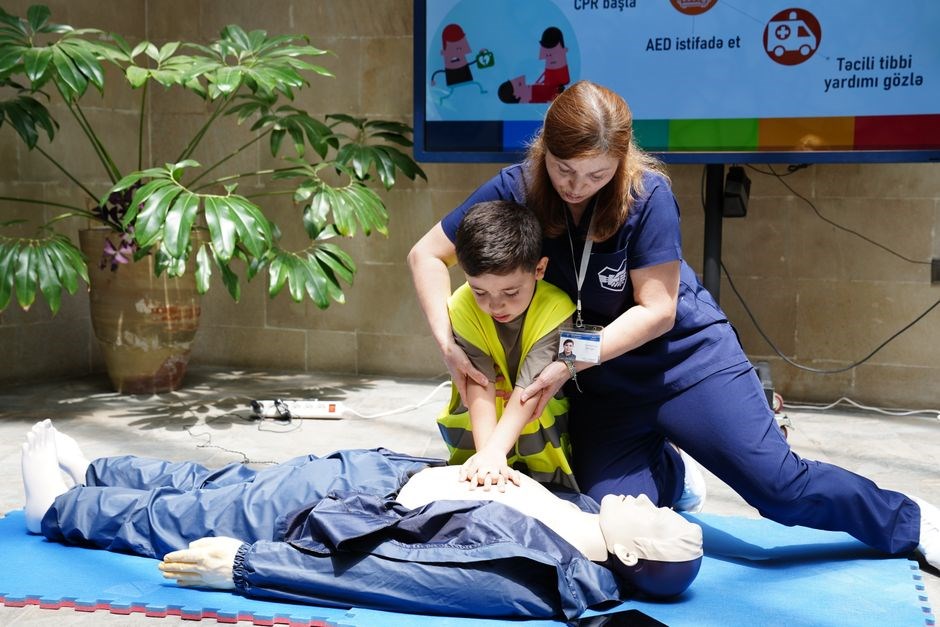
First released in 2006 by the American Heart Association as a professional guide, the BLS Manual Ebook has evolved through successive editions to reflect updates in resuscitation science. The original edition, spanning 62 pages, combined foundational theory with practical algorithms for adult, pediatric, and infant BLS, and introduced the use of AEDs for patients aged eight and older. Subsequent revisions incorporated new evidence, such as the 2015 shift to a 30:2 compression‑to‑ventilation ratio for adults and the 2020 emphasis on high‑quality chest compressions. Each edition adds a comprehensive bibliography (p. 59) and a recommended reading appendix, ensuring that practitioners can trace the evidence base behind every recommendation. The ebook format, adopted in 2018, allows instant access to the latest content, with downloadable PDFs and an online streaming option via the Internet Archive. The 2024 edition further refines pediatric algorithms, expands AED protocols for children and infants, and integrates advanced airway management techniques. Throughout its history, the manual has maintained a focus on clarity, brevity, and usability, making it a staple reference for clinicians worldwide. Readers may export sections to PDF for offline study and sharing

1.3 Core Topics Covered
The BLS Manual Ebook presents a concise yet comprehensive guide for healthcare professionals, covering all essential life‑support skills. It begins with the adult BLS algorithm, detailing rapid assessment, high‑quality chest compressions, and the use of an AED for patients eight years and older. The pediatric section addresses children from one year to puberty, offering age‑specific compression depth, rescue breathing techniques, and AED application guidelines. The infant chapter focuses on newborns to one year, emphasizing gentle chest compressions, rescue breaths, and airway management nuances unique to infants. AED protocols are extended to infants and children aged one to eight years, with clear electrode placement and shock delivery instructions. Advanced airway management is summarized, including endotracheal intubation and supraglottic devices, ensuring clinicians can secure the airway during resuscitation. Mouth‑to‑mouth ventilation and rescue breathing ratios are explained, along with choking relief techniques such as the Heimlich maneuver and back‑slap. Appendices provide reference tables, a glossary of key terms, and a curated list of recommended reading to deepen knowledge and keep practitioners updated with evolving resuscitation science.xxxxxxxxxxxxxxxxxxxxxxx

Access and Formats
Download the BLS Manual Ebook as a free PDF from the AHA site, stream it on the official portal, or borrow via library links. Third‑party guides offer printable checklists; mobile apps give access for fast reference now.
2.1 Official PDF Downloads
Users can obtain the BLS Manual Ebook as a free PDF from the American Heart Association’s official website. The 62‑page, 28 cm wide document is fully searchable, printable, and optimized for high‑resolution output. To download, log in to the AHA portal, navigate to the “Resources” section, and click the “BLS Provider Handbook” link. The download is a single ZIP archive containing the PDF and an index file. The PDF includes the latest 2026 guidelines on adult, pediatric, and infant CPR, AED use, airway management, and rescue breathing. The file size is roughly 4.2 MB, making it lightweight for email or cloud transfer. Mobile users can open the PDF directly in most browsers or save it to a tablet. For institutions, the AHA offers a bulk‑download option with a license key for unlimited distribution within the organization. The PDF is updated annually, and a downloadable “Quick‑Start” summary condenses essential steps onto a single page for rapid reference during emergencies. The official PDF download is the primary source for accurate, up‑to‑date BLS protocols, ensuring healthcare providers have reliable information at their fingertips. The PDF also includes a QR code linking to an interactive version with video demonstrations.
2.2 Online Streaming and Borrowing Options
Health‑care institutions and individual practitioners can stream the BLS Manual Ebook through the American Heart Association’s digital library portal. After creating a free membership account, users gain instant access to a web‑based viewer that supports full text search, bookmarking, and annotation. The streaming interface is responsive, allowing seamless navigation on desktops, tablets, and smartphones. For those who prefer offline reading, the portal offers a “borrow” feature: users can check out a digital copy for a 30‑day period, during which the PDF is locked to their account. The borrowing system automatically returns the file, preventing accidental over‑use and ensuring compliance with AHA licensing terms. Additionally, the AHA partners with academic libraries to provide institutional licenses, enabling unlimited concurrent streams for students and staff. The streaming service includes a built‑in quiz module that tests comprehension of key BLS concepts, reinforcing learning in real time. Users can also download the PDF for offline use, access quick anywhere. The resource is updated annually, reflecting new evidence and best practices. Thank you!
2.3 Third-Party Resources and Guides
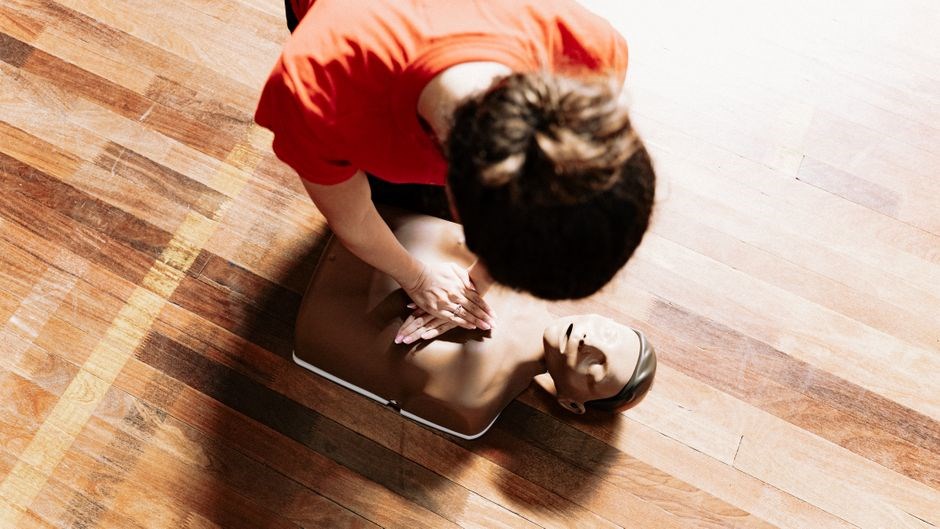
Third‑party platforms such as CDC, American Red Cross, and Medscape host supplementary BLS materials that complement the AHA ebook. These sites provide interactive modules, video demonstrations, and downloadable worksheets that align with the core chapters of the manual. The CDC’s “BLS in the Field” series offers case studies and scenario‑based learning tools, while the Red Cross supplies a mobile app that delivers step‑by‑step CPR instructions and real‑time feedback on compression depth. Medscape’s “CPR & BLS” section includes peer‑reviewed articles and clinical guidelines that expand on the textbook’s recommendations. Users can integrate these resources into continuing‑education programs, creating a blended learning environment that reinforces textbook knowledge with hands‑on practice. Licensing agreements between the AHA and these partners allow free access for registered health‑care professionals, ensuring that the latest evidence‑based protocols are readily available. By leveraging these third‑party tools, learners can deepen their understanding of BLS principles, enhance retention, and stay current with evolving resuscitation science. Learners can also access mobile quizzes and real‑time simulation tools that reinforce procedural memory. Daily.

Content Breakdown
The BLS Manual Ebook divides content into adult, pediatric, infant CPR, AED use, airway management, rescue breathing, choking relief, and appendices, offering concise, step‑by‑step guidance for each scenario. Ideal for clinical training certification exams. !

3.1 Adult BLS and CPR
Adult Basic Life Support (BLS) in the ebook follows the latest American Heart Association (AHA) algorithms, emphasizing early recognition, rapid response, and high‑quality chest compressions. The text details the 30:2 compression‑ventilation ratio, compression depth of 2‑2.4 inches, and a rate of 100‑120 compressions per minute. It explains the use of a bag‑valve mask for rescue breaths, ensuring a 1:2 ratio of breaths to compressions, and the importance of minimizing interruptions. The guide covers AED application on adults, including electrode placement, shock delivery, and post‑shock assessment. It also discusses advanced airway techniques such as endotracheal intubation and supraglottic devices for providers with the requisite training. The manual emphasizes continuous assessment of pulse, breathing, and responsiveness, and provides clear decision points for transitioning to advanced life support. Equipment checklists, scenario examples, and a concise reference sheet are included to aid quick bedside decision‑making during high‑pressure situations. This comprehensive approach equips clinicians to deliver optimal adult life‑saving care. Additionally, the ebook highlights post‑resuscitation care, transport considerations, and documentation requirements, ensuring a seamless continuum from emergency response to definitive care. A quick sheet summarizing compression depth, rate, AED sequence, and airway steps is provided for immediate bedside use!
3.2 Pediatric BLS and CPR (1 year to puberty)
Adult BLS in the ebook adapts AHA guidelines for children aged 1 year to puberty, stressing early recognition of distress, rapid activation of emergency services, The manual specifies a 15:2 compression‑ventilation ratio, with compressions delivered at 100‑120 per minute and depth of 1.5 inches or one third of the chest depth. It explains the use of a bag‑valve mask or mouth‑to‑mouth breaths, ensuring a 1:2 ratio of breaths to compressions. AED use is described for children 8 years and older, with electrode placement on the chest and the option of pediatric pads for younger patients. The text covers advanced airway management for pediatric patients, including the use of supraglottic devices and endotracheal intubation, and highlights the importance of maintaining oxygenation during resuscitation. The ebook provides step‑by‑step algorithms, illustrated diagrams, and a quick‑reference sheet for compression depth, rate, and ventilation timing. It also addresses post‑resuscitation care, transport considerations, and documentation, ensuring a comprehensive approach to pediatric life support. The guide emphasizes continuous reassessment of pulse, breathing and responsiveness, and offers practical tips for maintaining rhythm and reducing fatigue during prolonged resuscitation efforts.!
3.3 Infant BLS and CPR (Birth to 1 year)
The infant section of the BLS Manual Ebook follows the American Heart Association’s infant resuscitation algorithm, emphasizing newborn physiology. It starts with a quick assessment of responsiveness, breathing, and pulse, recommending a 30:2 compression‑ventilation ratio. The manual specifies correct hand placement: two fingers on the lower sternum, compressing to a depth of about 1.5 inches (4 cm) at 100–120 per minute. Gentle, rhythmic compressions avoid rib fractures while ensuring venous return; Ventilation instructions call for two gentle breaths, each lasting 1 second, using a bag‑valve mask or mouth‑to‑mouth technique with a 1:2 ratio of breaths to compressions. The text covers infant AED pad use, electrode placement on the chest, and pausing compressions during shock delivery. It also addresses airway management, including supraglottic devices and endotracheal intubation, stressing oxygenation maintenance. The ebook offers diagrams, flowcharts, and a quick‑reference guide for compression depth, rate, and ventilation timing. Post‑resuscitation care, transport considerations, and documentation are included, ensuring a comprehensive approach to infant life support. The manual highlights continuous reassessment and teamwork during emergency response. Advise monitoring pulse and breathing after each cycle, adjusting compression depth if the infant is under 1 kg, and using an AED pad for children 8 years and older. With responders, briefly documenting interventions. The manual includes compression depth and rate, list.
3.4 Automated External Defibrillator (AED) Usage for Adults and Children

In the BLS Manual Ebook, AED guidance follows the latest AHA algorithm. It explains that the device is indicated for adults and children 8 years and older, with electrode pads placed on the upper left chest and right shoulder. The text details the sequence: turn on the AED, let it analyze, and follow voice prompts. It emphasizes that the user must ensure the patient is clear of conductive surfaces and that all bystanders are at a safe distance. The manual instructs to pause compressions during shock delivery, then resume immediately. It also covers pediatric pad placement on the chest and shoulder, with a note that the same pad set can be used for infants if no pediatric pads are available, but the shock dose must be adjusted. The guide concludes with a quick‑reference table of shock energies: 120 J for adults, 2 J/kg for children, and 2 J/kg for infants, and a reminder that the AED automatically calculates the appropriate dose. The section also lists recommended AED models and maintenance schedules. The manual also emphasizes the importance of regular AED maintenance, including battery checks and pad replacement, and encourages users to practice shock delivery in simulated scenarios to build confidence. Regular drills boost response speed!?.
3.5 Advanced Airway Management and Mouth-to-Mouth Breaths
In the BLS Manual Ebook, advanced airway techniques are presented as optional extensions for providers who have completed the basic BLS course. The text outlines the use of bag‑valve‑mask (BVM) ventilation, the placement of a supraglottic airway device, and the criteria for selecting each device. It emphasizes that mouth‑to‑mouth rescue breaths should be delivered only when the provider is trained and confident, and that the recommended rate is 10–12 breaths per minute for adults, 20–30 for children, and 30–40 for infants. The manual explains how to seal the airway, perform a 5‑second inspiratory pause, and monitor for chest rise. It also discusses the importance of avoiding over‑inflation, which can cause gastric insufflation and aspiration. The section includes a step‑by‑step diagram of the BVM technique, a checklist for airway assessment, and a brief comparison of supraglottic devices such as the laryngeal mask airway (LMA) and the i‑gel. The text concludes with a reminder that advanced airway management requires ongoing practice and that the provider should always be prepared to revert to basic BLS techniques if complications arise. Practice drills and simulation are encouraged to maintain proficiency and confidence in high‑stakes situations.
3.6 Rescue Breathing and Relief of Choking
The BLS Manual Ebook details rescue breathing protocols for adults, children, and infants, emphasizing a 1:2 compression‑to‑breath ratio for adults and 2:1 for pediatric patients. It explains proper hand placement, the use of a bag‑valve‑mask, and the importance of a 5‑second inspiratory pause to allow full chest expansion. For infants, the manual recommends a 1:1 ratio with gentle, soft breaths delivered through a small mask or mouth‑to‑mouth technique. The text also covers the Heimlich maneuver for conscious choking victims, outlining the correct hand placement, the number of thrusts, and the transition to abdominal thrusts if the victim becomes unconscious. It stresses the need for rapid assessment, the use of the “check, call, and compress” approach, and the importance of continuous monitoring of airway patency. The section concludes with a reminder that rescue breathing should be performed only by trained providers and that the BLS Manual Ebook encourages regular practice to maintain skill proficiency.
3.7 Appendices and Recommended Reading
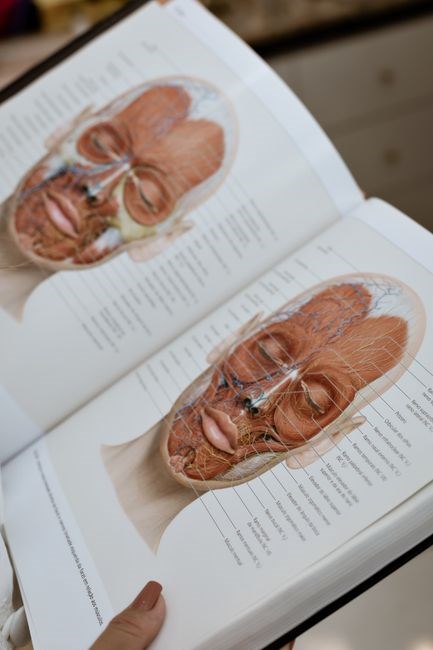
The BLS Manual Ebook concludes with a set of appendices that provide concise, at‑a‑glance reference tools. These include a detailed flowchart for adult CPR, a table of compression depth and rate for adults, children, and infants, and a clear AED algorithm applicable to all ages. A glossary of key terms, a list of common abbreviations, and a troubleshooting guide for equipment malfunctions are also featured. The appendices are designed to support quick decision‑making during emergencies and to reinforce the main text. In addition, the manual offers a curated bibliography of peer‑reviewed articles and clinical guidelines that underpin the evidence base for the techniques described. Recommended reading encompasses the American Heart Association’s 2025 Basic Life Support and Cardiopulmonary Resuscitation Guidelines, the 2024 European Resuscitation Council Guidelines, and the “Rescue Breathing in Pediatric Emergencies” handbook by Dr. L. K. Smith. These resources are selected to deepen understanding of pathophysiology, enhance skill retention, and keep practitioners current with evolving best practices. The ebook encourages readers to consult these texts for advanced study and to reference them during recertification or refresher courses. Additionally, the ebook offers downloadable flashcards and a QR‑coded summary sheet for rapid review, enabling clinicians to reinforce key concepts during shift handovers and in high‑pressure environments and ensuring compliance with certification standards worldwide. All materials are available under Creative Commons.